 +86 18663958101


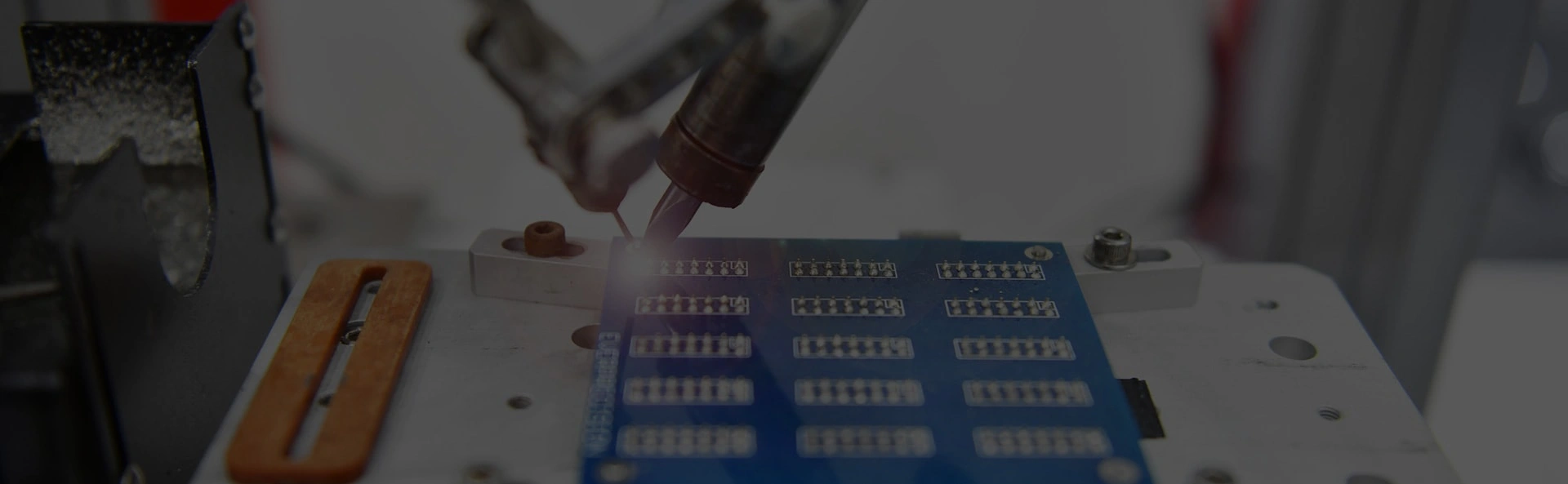
What are the advantages of using laser welding machines in the jewelry industry?
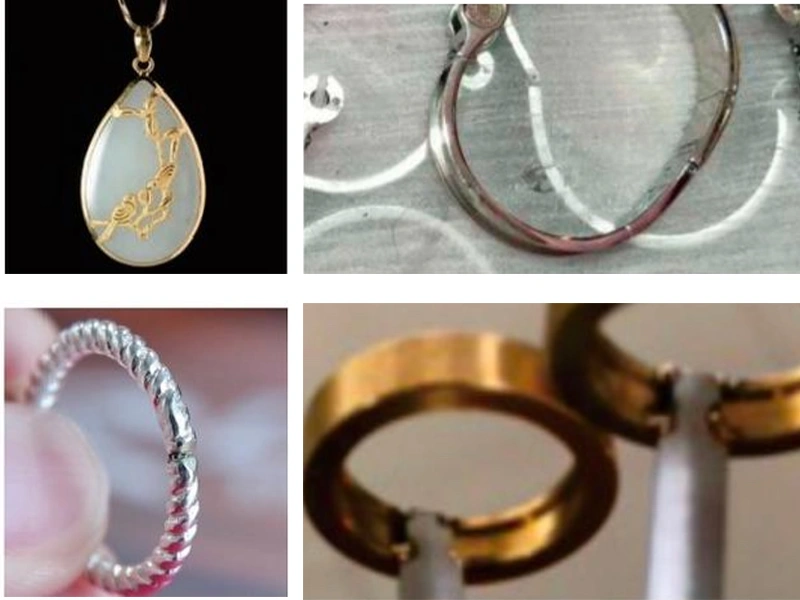
QCW welding lasers are ideal for jewelry welding and surface repair, working with metals such as copper and stainless steel. They ensure high welding quality while significantly improving production efficiency.
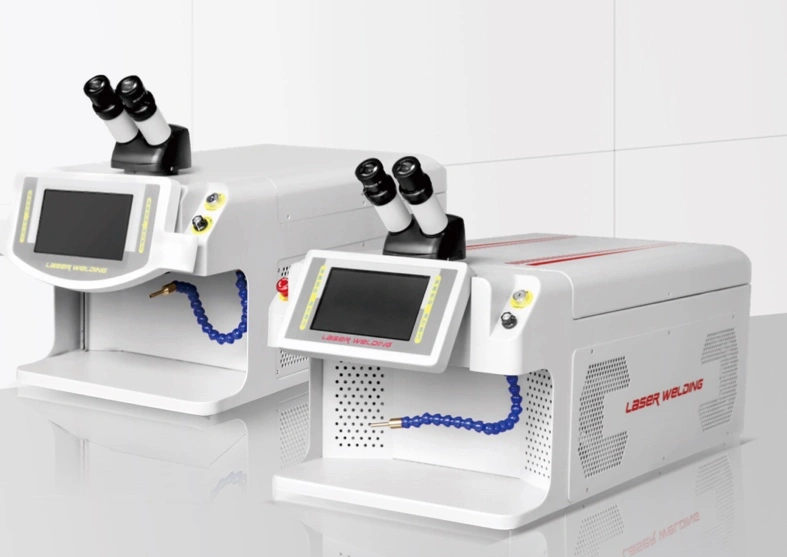
Advantages of QCW Lasers:
QCW welding lasers are high-performance fiber lasers that combine the benefits of both Continuous Wave (CW) and pulsed lasers. Simply put, by integrating a modulation module into a CW laser, it allows the laser to flexibly switch between "continuous output" and "high peak power pulsed output" modes.
Pulsed Mode: Delivers extremely high peak power (typically up to 10 times that of a CW laser with the same average power), enabling deep penetration and high weld strength in an extremely short time, making it ideal for precision spot welding.
Continuous Mode: Ensures highly efficient and stable continuous seam welding.
One machine can handle various processes including spot welding, continuous welding, overlap welding, and hermetic sealing, significantly simplifying production line configuration and reducing costs.
1). Extremely High Processing Precision and Quality
Excellent Beam Quality: QCW lasers offer superior beam quality with a very small focal spot (micron-level), making them perfect for precision micro-joining in fields like microelectronics and medical devices.
Small Heat-Affected Zone (HAZ) and Minimal Deformation: In pulsed mode, the laser has intermittent "cooling periods," which effectively reduces heat accumulation in the material. This significantly lowers the risk of thermal deformation, resulting in aesthetically pleasing welds with drastically reduced defects like porosity, cracks, and spatter.
Precise Energy Control: Extremely low fluctuation in single-pulse energy (controllable within ±1%) ensures high stability during welding and cutting processes.
2). Extremely Low Operating and Maintenance Costs
Compared to traditional lamp-pumped (YAG) lasers, QCW lasers have an overwhelming advantage in cost control:
Ultra-High Electro-Optical Conversion Efficiency: Their efficiency can reach 30%-40%, with power consumption being only about 1/10 of traditional YAG lasers, saving huge amounts on electricity bills over the long term.
All-Fiber Structure, Maintenance-Free: Featuring an all-fiber structure, there is no need to frequently replace consumables like xenon lamps or laser rods as required by traditional lasers. They are virtually maintenance-free and have a longer equipment lifespan.
Compact Size, Easy Integration: Some medium and low-power models feature fully air-cooled designs, eliminating the need for bulky water chillers. The equipment is compact and lightweight, which not only saves workshop space but also makes it easier to integrate into automated production lines or handheld devices.
3). Excellent at Processing Difficult Materials
Leveraging high peak power and precise energy control, QCW lasers perform exceptionally well when processing special materials:
① High-Reflectivity Metals: For high-reflectivity alloy thin sheets like copper, aluminum, and gold, QCW lasers can stably establish a keyhole effect to achieve high-quality welding.
② Heat-Sensitive and Hard-Brittle Materials: Due to low heat accumulation, they are highly suitable for welding heat-sensitive materials. They can also perform precision cutting on hard-brittle materials like ceramics with low thermal impact and no chipping or slag.